
Collection: Biodegradable Plant Pots
Provide a starter home for your plants with our variety of biodegradable planting containers!

-

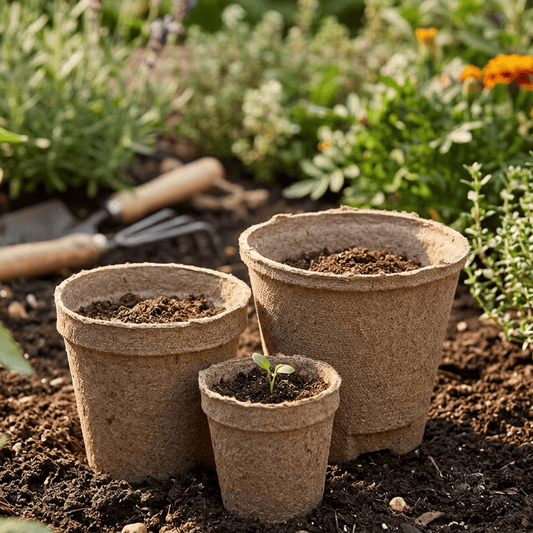
Jiffy Peat Round Pots - 3"
Regular price $0.19Sale $0.19Unit price per -

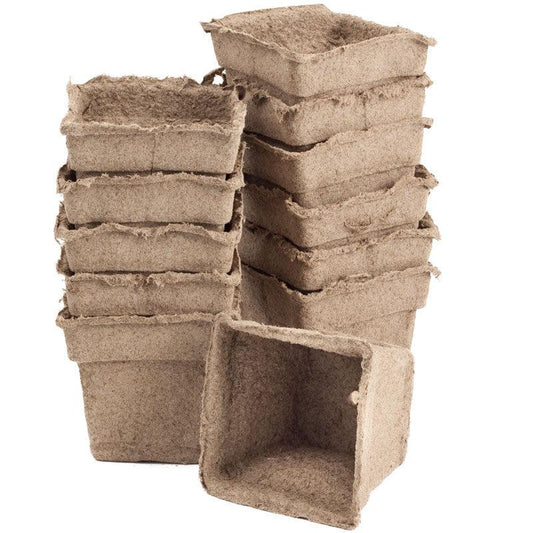
CowPots - 4" Square (Pack of 12)
Regular price $6.99Sale $6.99Unit price per -

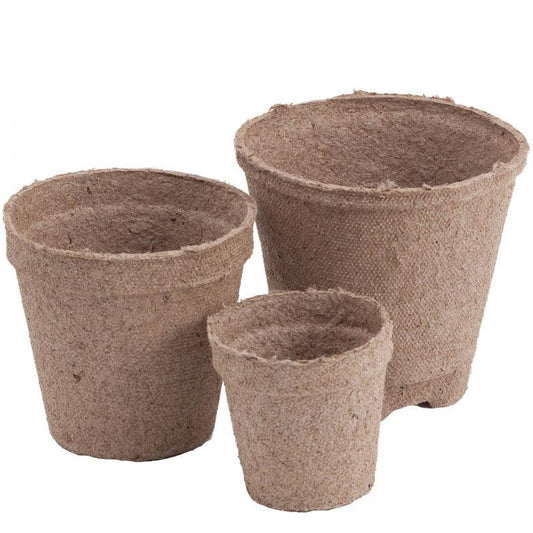
Peat Pots 4" Round
Regular price $0.29Sale $0.29Unit price per -

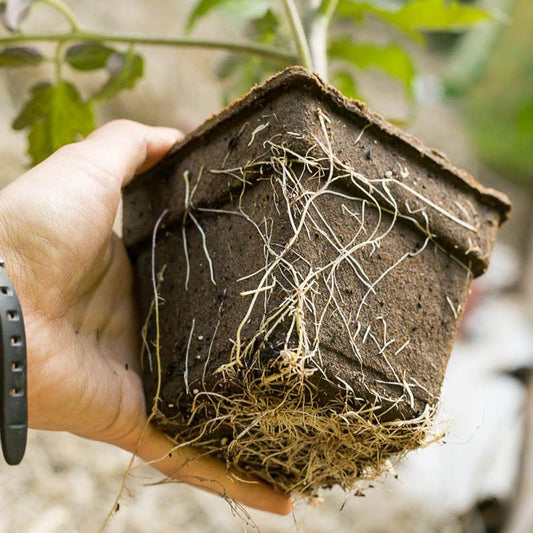
CowPots - 3" Square 6 Pack (Pack of 3)
Regular price $5.99Sale $5.99Unit price per -

Coconut Fiber Pellets
Regular price $0.29Sale $0.29Unit price per -

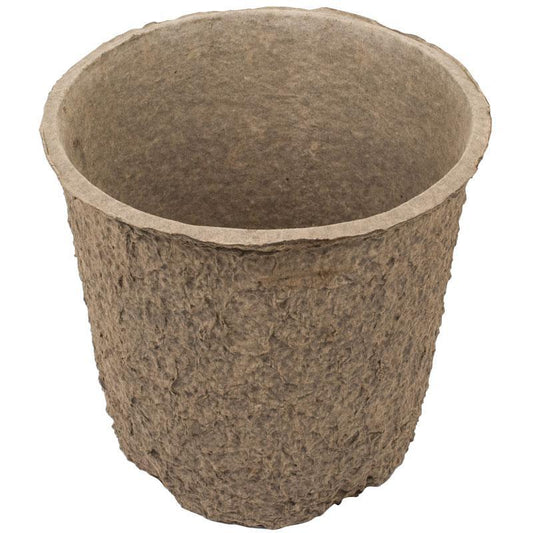
Pulp Pot (12" Round)
Regular price $7.99Sale $7.99Unit price per -

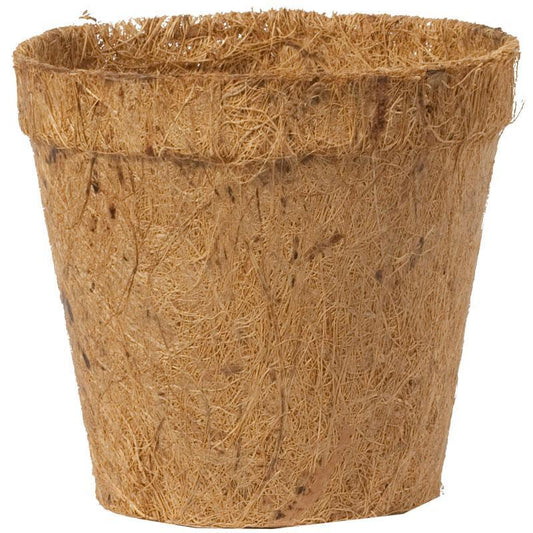
Coconut Fiber Round Pots - 2.25" (Pack of 12)
Regular price $4.99Sale $4.99Unit price per -

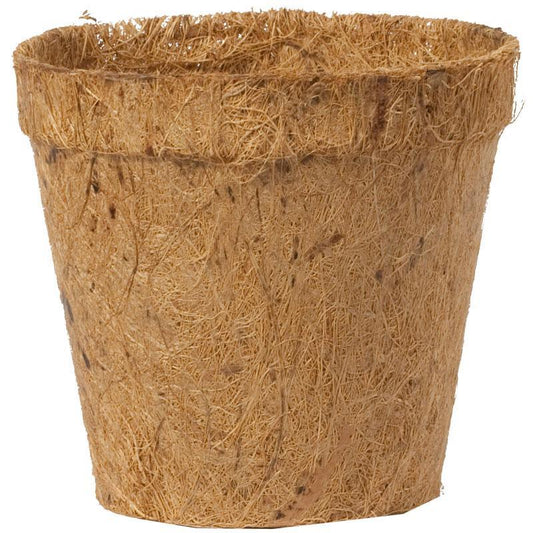
Coconut Fiber Round Pots - 4" (Pack of 6)
Regular price $3.99Sale $3.99Unit price per -

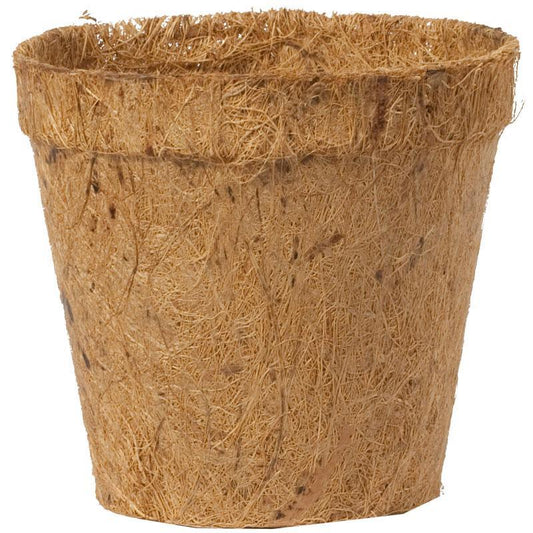
Coconut Fiber Round Pots - 3" (Pack of 8)
Regular price $3.09Sale $3.09Unit price per -


Organic Jiffy 7 Peat Pellets
Regular price $0.14Sale $0.14Unit price per -

Organic Jiffy 7 Peat Pellets Large
Regular price $0.19Sale $0.19Unit price per -

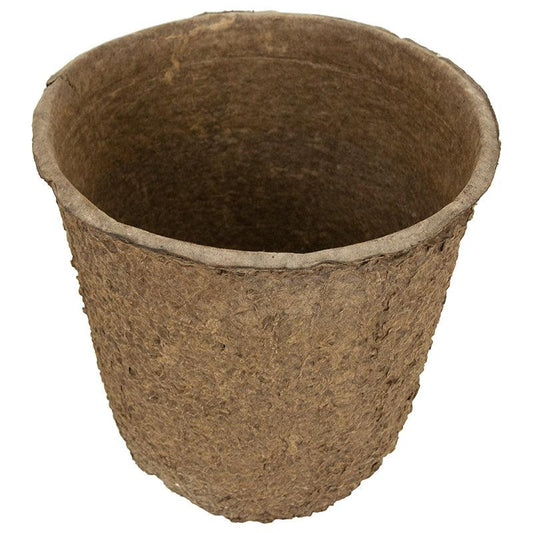
Pulp Pot (7 Gal)
Regular price $13.99Sale $13.99Unit price per -

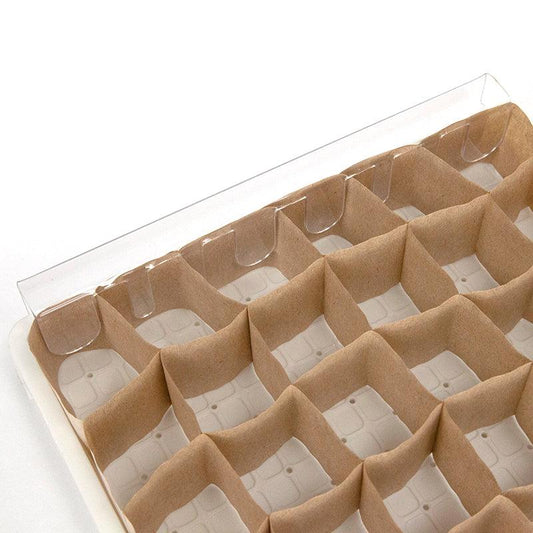
Opening Clips For Paper Pots (2/pack)
Regular price $18.04Sale $18.04Unit price per -

 Sold out


Collection: Reduce Transplant Shock with Biodegradable Pots
Biodegradable plant pots and other plantable containers can reduce handling when seedlings move into a larger container or the garden. They provide an option for gardeners planning the transition from sowing to transplanting. Materials and breakdown rates vary, so moisture management and transplant preparation should follow the instructions for the specific pot.
Compare fiber, paper, peat, coir, and molded pots by cell size, quantity, and tray fit. Consider how much growing space each seedling needs before transplanting, along with the number of plants you intend to start. Check container dimensions against your trays, shelves, and propagation area to create a setup that suits your space.
Before filling pots, review the recommended growing medium, watering guidance, and any preparation steps. Monitor moisture throughout germination and seedling growth rather than relying on a fixed watering schedule. Include the container in your checks, and follow product guidance for managing moisture in its walls and base.
At transplanting, confirm whether the rim or wall should be torn, soaked, or buried fully. Do not assume that every plantable pot can be installed in exactly the same way. Prepare the planting area, handle seedlings, and follow the directions supplied with your chosen container.
Choose pots around your planting schedule and preferred growing method, not simply their appearance. Review material details and disposal instructions when comparing options, since biodegradable does not describe one universal breakdown timeline or planting procedure. For reusable alternatives, visit Plastic Pots or Seed Starting Trays to compare containers for your next planting project.