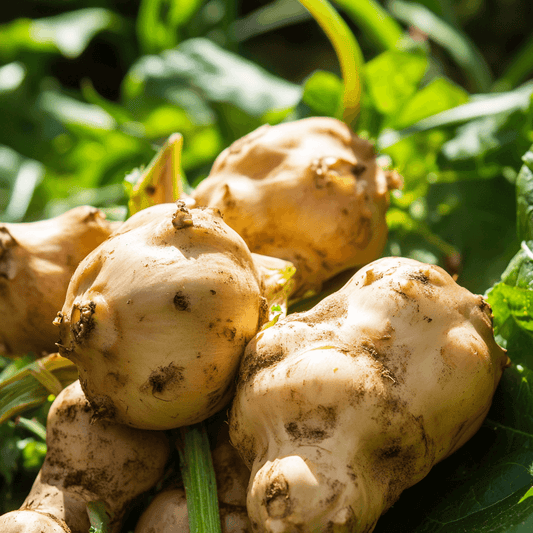
How to Grow Horseradish
Plant horseradish root cuttings in full sun and loose, well-drained soil, with the upper end of the root cutting covered by 2–3 inches of soil and the root angled downward. Give each plant room to develop and choose a permanent or contained site: small root pieces left behind can regrow.
For more on this topic, see Horseradish Growing Guide.
Successful growing horseradish starts with healthy root cuttings, proper soil preparation, and a suitable planting location. With consistent care and enough room for root development, this hardy perennial can produce harvestable roots for years.

Choose a site for horseradish
Horseradish is a cold-hardy perennial usually grown for its pungent storage root. A sunny bed produces vigorous growth, although light shade may be tolerated. Loose soil makes straight roots easier to harvest; improve compacted soil with finished compost and correct drainage before planting.
When selecting a location for your horseradish plant, choose a sunny area with deep, loose, well-drained soil to encourage healthy foliage and well-developed roots.
Because plants can persist from overlooked root fragments, keep horseradish away from beds that are frequently rotated. A deep container or a dedicated bed can simplify containment. Browse horseradish roots and crowns, and use the perennial vegetable crowns and roots guide to plan the surrounding bed.
When and how to plant horseradish roots
Plant dormant roots in early spring as soon as the soil can be worked. Open the package promptly and keep the roots cool and slightly moist until planting.
- Loosen the soil approximately 8–12 inches deep and remove stones, compacted material, and other obstructions that could interfere with root development.
- Space plants about 18–24 inches apart.
- Set each root at roughly a 45-degree angle with the upper end 2–3 inches below the surface; orient the crown or wider end upward.
- Backfill, firm gently, and water thoroughly.
If planting is delayed by frozen or saturated soil, heel the roots into damp soil or sand in a cool, protected place. Check them regularly and plant before growth becomes elongated.
Watering, feeding, and cultivation
Keep the bed evenly moist during establishment. Consistent water through late summer and early fall supports root enlargement, while waterlogged soil encourages decline. Mulch can conserve moisture and suppress weeds, but keep it loose around the crown.
Control weeds early, when horseradish leaves are still small. Use a soil test to guide fertility; excessive nitrogen can favor leaves over roots. Side-dress with compost or a balanced amendment only where soil conditions call for it.
Optional root lifting for straighter harvests
Some gardeners use a technique called lifting and stripping to encourage larger, straighter roots. When the foliage reaches approximately 8–10 inches tall, carefully remove soil around the crown and trim small side roots, leaving the main roots undisturbed. Nebraska Extension recommends repeating this process about six weeks later. This technique is optional and is not necessary for a basic home garden crop. This can produce a larger, straighter root but is not required for a home crop. If you try it, work gently and water afterward.
When and how to harvest horseradish
Harvest after the foliage has been killed by frost, commonly in late fall, and before the ground freezes solid. Dig from outside the crown with a garden fork, lift the main roots, and remove small fragments if you do not want the patch to spread. Replant one healthy side root for next year's crop or harvest the bed thoroughly and rotate the area.
Unwashed roots keep best when refrigerated in a perforated bag or stored in cool, humid conditions. Grated horseradish is most pungent when fresh. Prepare it in a ventilated area, avoid touching your eyes, and follow a tested food-preservation recipe if you plan to can or store a prepared sauce.
Common problems
- Lots of leaves, small roots: excess nitrogen, crowding, shade, or harvesting too early.
- Branched roots: compacted or stony soil, fresh manure, or root disturbance.
- Yellowing or decline: inspect drainage, watering, and roots before treating.
- Horseradish invasiveness: Horseradish can become difficult to control because its spreading roots can produce new plants from small fragments left in the soil. Growing it in a dedicated garden bed or a large container can help limit unwanted spread.
- Unwanted spread: remove every visible root piece and monitor the area for regrowth.
For seasonal reminders across long-lived crops, bookmark the seasonal care calendar and adapt its inspect–water–weed–harvest rhythm to the horseradish bed.
Conclusion
Growing horseradish successfully starts with choosing a sunny location, preparing loose, well-drained soil, and planting root cuttings correctly. With consistent watering, appropriate feeding, and proper seasonal care, you can encourage healthy root development and enjoy a flavorful harvest in late fall. Because horseradish can regrow from small root fragments, plan for containment and remove unwanted roots to prevent spreading. With the right growing conditions and maintenance, this hardy perennial can provide a reliable supply of pungent roots for years to come.
FAQs About Growing Horseradish
How can I keep horseradish from spreading into nearby garden beds?
How should I store horseradish roots before planting if the ground is frozen?
When is the best time to plant horseradish?
When should I harvest horseradish roots?
References for the added FAQs: University of Minnesota Extension, University of Nebraska–Lincoln Extension, Royal Horticultural Society (RHS), and Oklahoma State University Extension